Recurring Sewer Blockage: Established Home, Liverpool
Property: Brick veneer home, Liverpool, built 1974
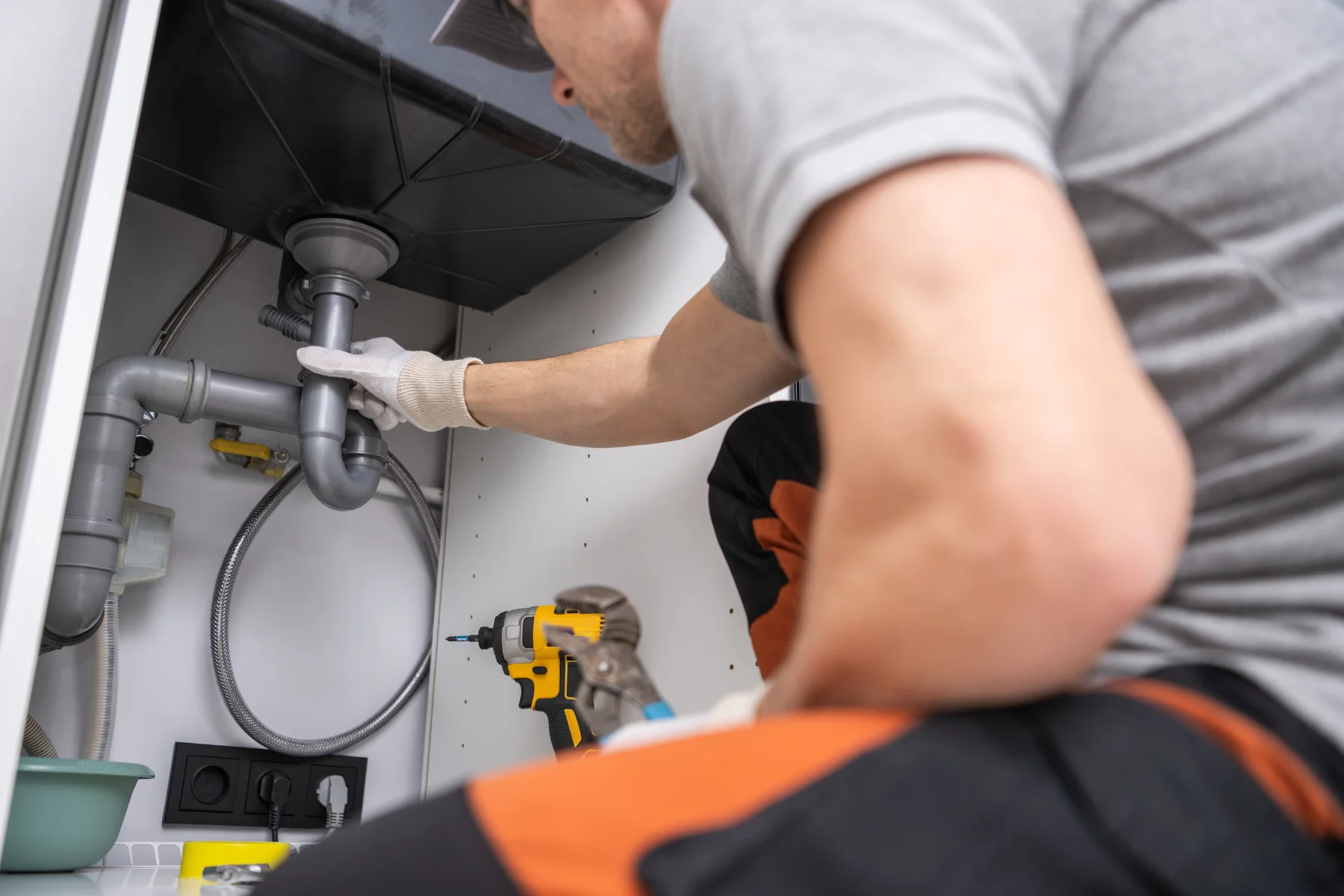
The Situation: The homeowner had been calling different plumbers for the same blocked sewer line every few months for close to two years. Every visit produced a cleared drain that returned to the same state within weeks. The cost was accumulating with nothing to show for it, and sewage was periodically backing up into the laundry trough.
What We Did: Rather than clearing the blockage again and leaving, we ran a full CCTV camera inspection of the sewer line from the house to the boundary trap. The camera found two separate tree root intrusions at pipe joints, 5 metres and 10 metres from the boundary, and a section of the original clay pipe that had partially collapsed at the 8-metre mark. We showed the homeowner the inspection footage, explained exactly what they were looking at, and presented three options with clear pricing: ongoing maintenance jetting, targeted pipe relining, or excavation and pipe replacement.
The Result: The homeowner chose pipe relining. The job was completed without any excavation in a single day. A post-relining camera inspection confirmed a clean, sealed internal surface throughout the treated section. No blockage has recurred in the 12 months since the relining was completed.
What This Shows: A recurring sewer blockage in an older Liverpool property is a structural problem in the pipe, not a maintenance problem with what goes into it. Treating it as a maintenance problem produces temporary results. CCTV inspection identifies the real issue and pipe relining fixes it for good.
Emergency Hot Water Failure: Strata Complex, Warwick Farm
Property: 18-unit residential strata complex, Warwick Farm
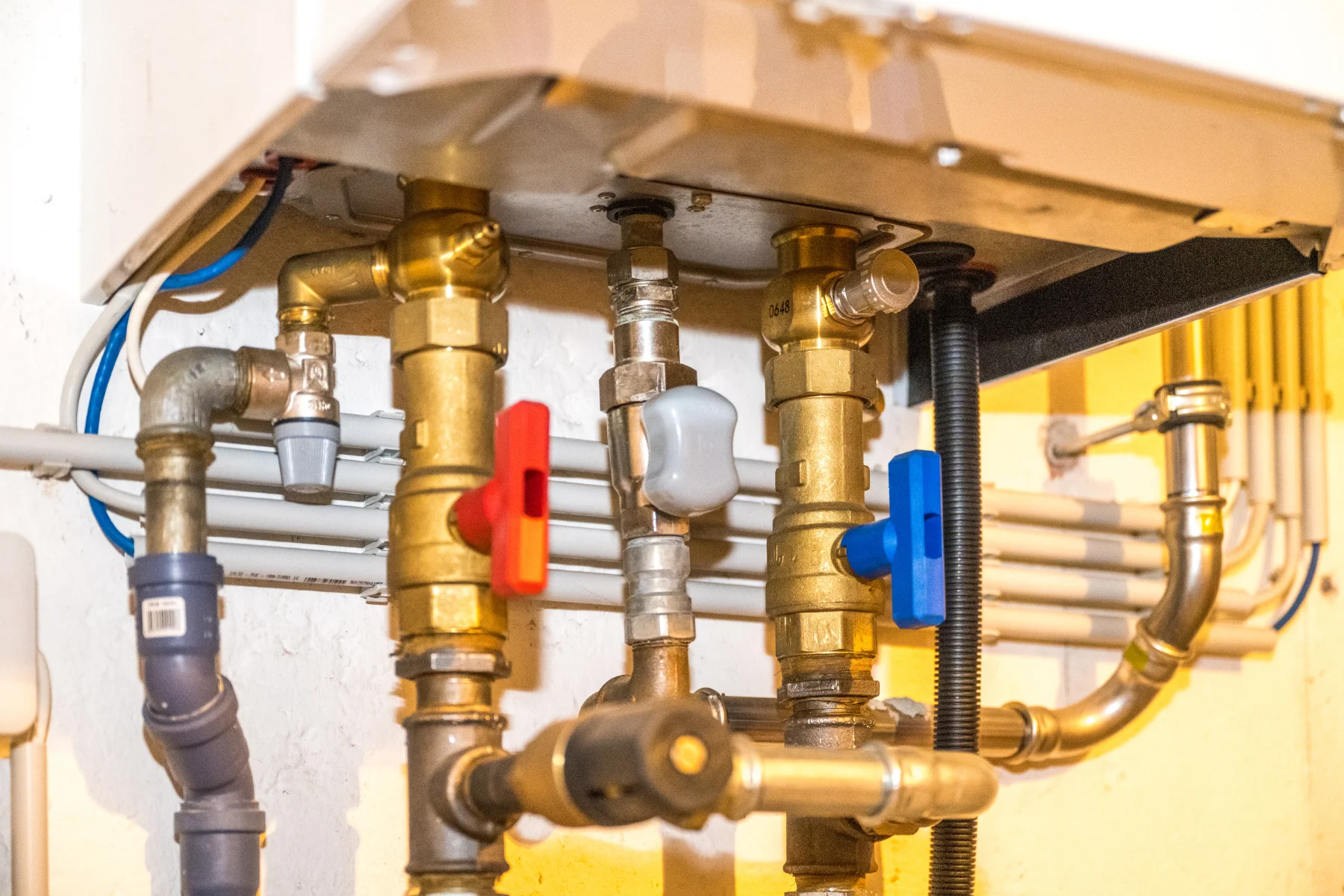
The Situation: The central gas hot water system servicing the upper-floor units failed on a Thursday evening, cutting off hot water to 10 households at the start of a long weekend. The strata manager needed urgent action, a clear communication plan for residents, and compliance paperwork in hand before the owners corporation meeting the following week.
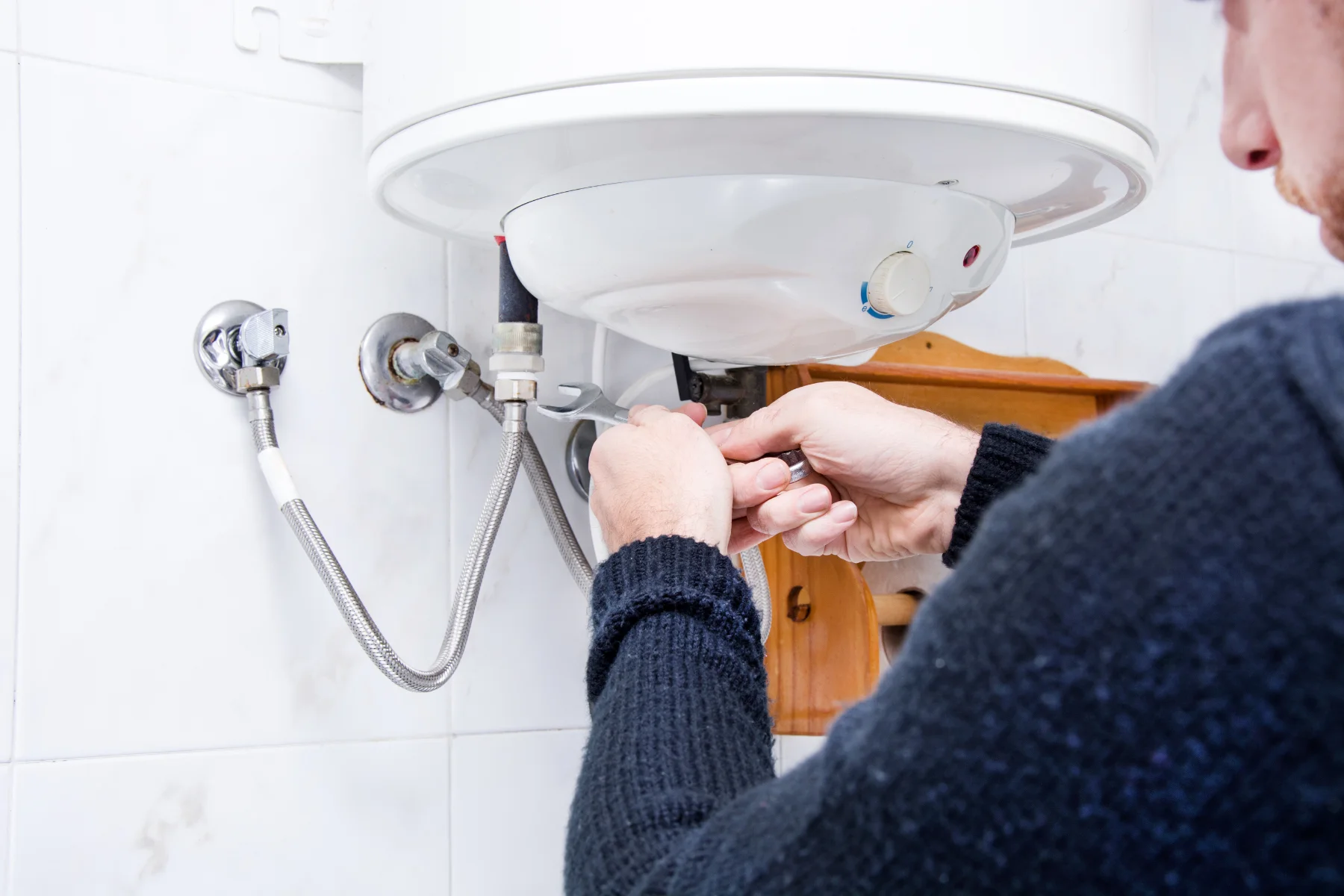
What We Did: Sigma Plumbing had a licensed gas fitter and plumber on-site within 90 minutes. Inspection confirmed the primary heat exchanger had failed beyond economic repair. We sourced a compatible commercial replacement unit through our South Western Sydney supplier network and coordinated Friday morning delivery, while assisting the strata manager with a resident update notice detailing the expected restoration timeline.
The Result: The replacement unit was installed and fully commissioned by midday Friday less than 18 hours after the initial failure call. All affected units had hot water restored before the long weekend properly began. A Certificate of Compliance and the manufacturer’s installation record were in the strata manager’s hands within 48 hours. The owners corporation subsequently appointed Sigma Plumbing as their preferred ongoing maintenance contractor.
What This Shows: A strata hot water emergency is never just a technical problem the documentation, communication, and compliance requirements are equally important to the strata manager and owners corporation. A plumber who understands that distinction delivers a very different outcome from one who only focuses on the repair.
Flood Prevention Upgrade: Commercial Premises, Liverpool CBD
Property: Ground-floor retail tenancy with rear storage, Liverpool CBD
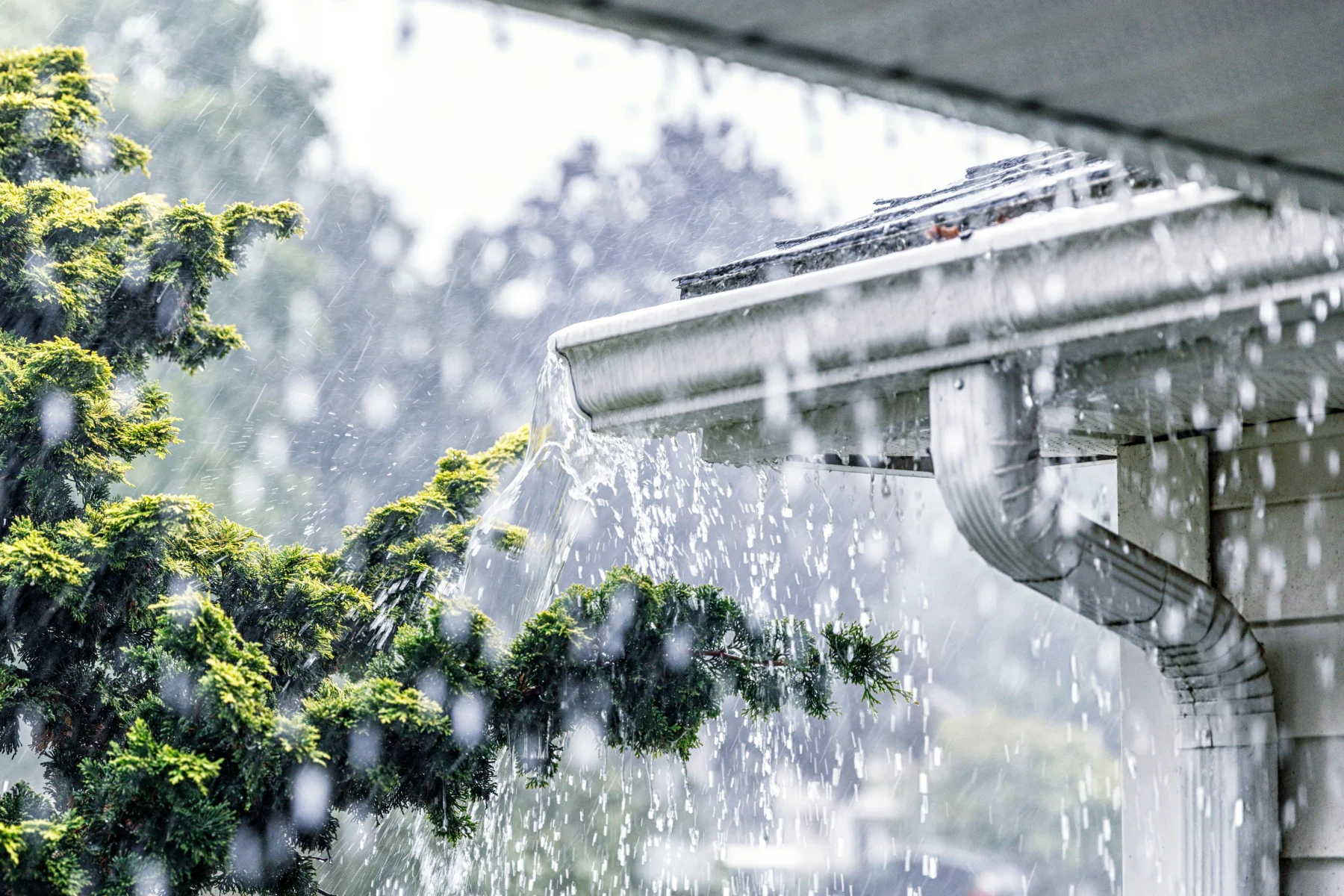
The Situation: The business had experienced water ingress through the rear entry twice during heavy storms over the previous 12 months, on both occasions reaching the trading floor and damaging stock and fixtures. The insurer had covered remediation costs after the first event but had made clear that continued coverage was conditional on documented evidence of a permanent stormwater solution being installed.
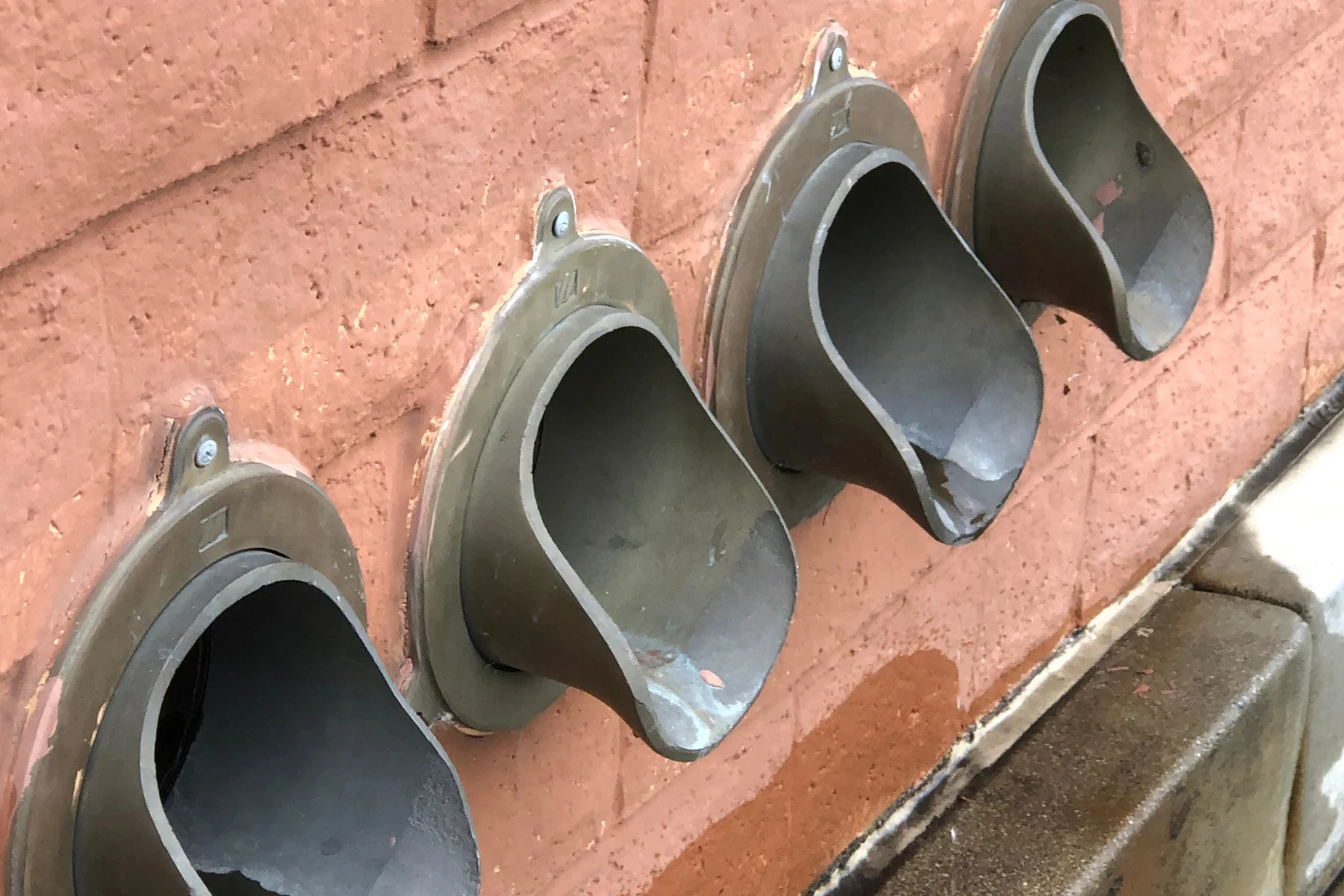
What We Did: Sigma Plumbing carried out a complete stormwater drainage assessment of the building perimeter, roof drainage, and rear access area. The assessment identified three separate contributing problems: an undersized stormwater pit at the rear entry with a partially blocked inlet grate; a surface grade along the rear boundary that directed surface water toward rather than away from the building; and a stormwater pipe on the northern boundary that had partially collapsed, reducing the system’s overall discharge capacity.
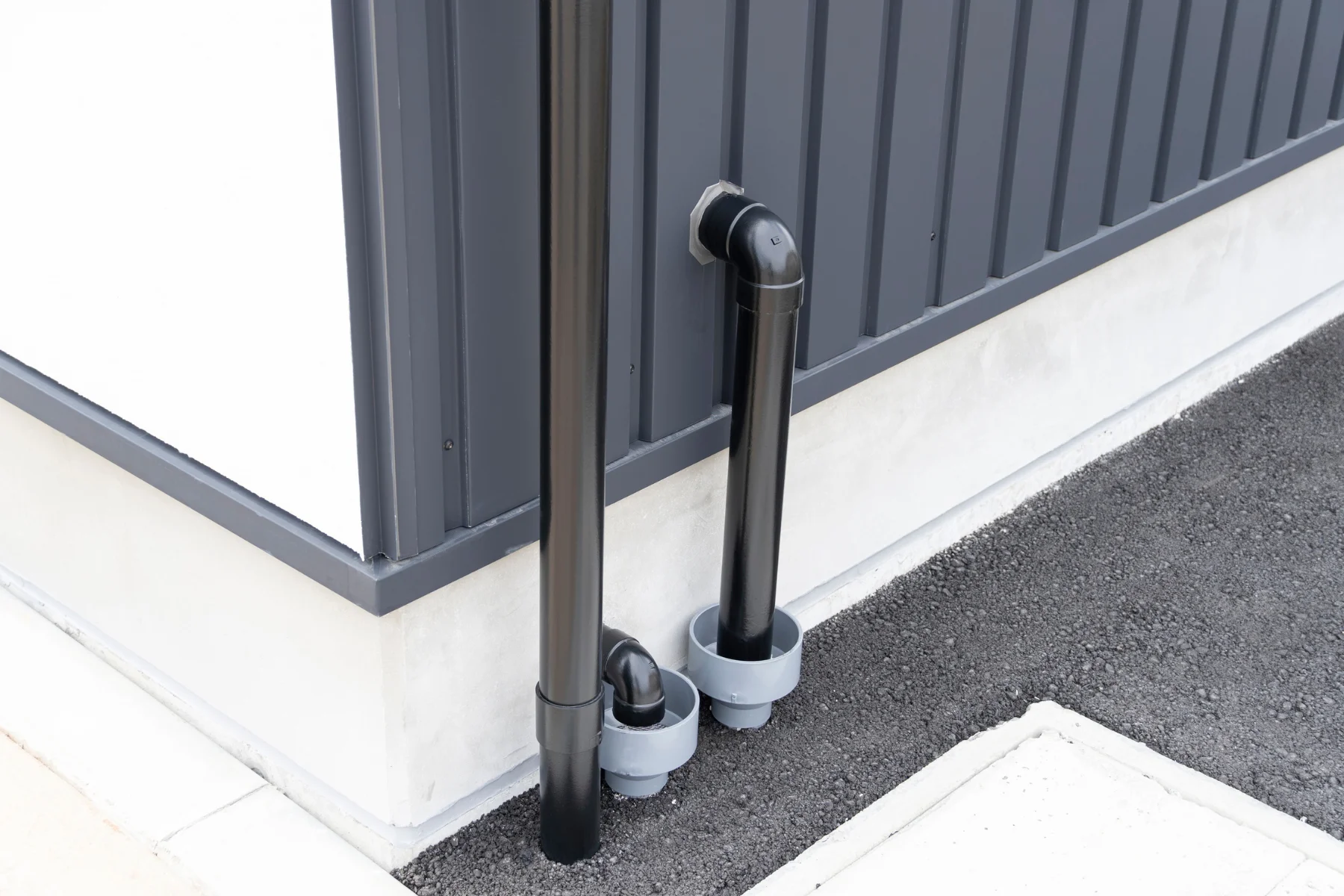
The Result: Works completed included installation of a larger-capacity stormwater pit with a high-flow grated inlet at the rear entry, repair and relining of the collapsed northern boundary pipe, installation of a continuous surface drainage channel redirecting water away from the rear access area, and clearance and inspection of all roof downpipes. The business owner provided the insurer with written confirmation of the completed works, coverage was maintained without the previous flooding exclusion, and the tenancy has since remained dry through two significant South Western Sydney storm events.
What This Shows: Stormwater flooding at a commercial property almost always has more than one contributing cause. A thorough drainage assessment that maps the entire system is the only way to identify all of them and a solution that only addresses the most visible problem will fail again the next time it rains heavily.